


Bottom Line Up Front: Web Design Cost in NH
- Starter websites for small and mid-sized NH businesses begin at $1,500, built in a matter of weeks
- You own the site once it’s done; hosting and support are separate, ongoing services you opt into, not a monthly leash
- Larger or more complex organizations (multi-location, ticketing, donor systems, e-commerce) need a custom build, scoped and priced differently from a starter site
- New Hampshire’s mix of local and tourist customers, and our own presence across the state, shapes how we build and price these projects
What’s the Starting Cost for a Website?
Our starter tier begins at $1,500, built and ready to go live in a matter of weeks. That covers a home page, a service listing page with individual detail pages for each service you offer, a contact page, and Google Business Profile integration.
That short list does more work than it looks like. Your home page is your brochure. It’s the fastest way for someone to land on your site and understand who you are and what you do, before they decide whether to keep reading. Your services pages are what actually get found — they show up when someone searches for the specific thing you do in the specific town you do it in, so they’re doing double duty for search visibility and clarity once someone’s on the page. And a Contact/About combo is the follow-through. It’s the difference between someone who’s interested and someone who actually reaches out, because they know who they’re dealing with and exactly how to get in touch.
That’s the basics, and it’s a genuinely solid foundation for a lot of NH businesses. From there, we build on it based on what you actually need: more service pages, a blog if you’re going to keep it updated, whatever the business calls for. For more on our local business packages, visit our Local Business Program page.
SEO best practices are baked into every tier we build, even the most basic starter site. We’re not tacking it on later or selling it as an upsell. Page structure, local search signals, all of it is part of how we build from day one. If you want a deeper dive into what that looks like, our NH SEO page covers it.
A blog can be added, but I’ll be honest about this one too. An empty blog does more harm than good if you’re not going to keep it updated, or don’t want to work with us on it. A stale blog tells visitors, and Google, that nobody’s been paying attention.

The Free Website Isn’t Actually Free
Now that you’ve got a real number, it’s worth knowing there’s a whole business model built around not sharing theirs. An agency offers you a website for free, or close to it, and rolls the real cost into a monthly fee instead. It sounds like a deal until you think through what they’re actually counting on.
They’re counting on you not canceling. Building a site takes real work, and they’re eating that cost upfront because they know most businesses don’t rebuild a site every year, or even every three. Once you’re on the monthly plan, you’re the return on that investment. And once you’re locked in, the service tends to slip — a simple content change turns into a week of back and forth, and canceling means losing the site entirely, because you never actually owned it.
We do it the other way. You pay for the work up front, and when it’s done, it’s yours. Hosting and support are separate services you opt into, not what’s keeping you stuck.
What Pushes the Price Up From a Starter Site
Page count and complexity are what move the number. E-commerce, membership portals, or booking systems — anything that has to actually do something instead of just display information — adds real development time. So does a genuine content and keyword strategy instead of a template you fill in yourself, and so does the number of design revision rounds built into the project.
Which brings up the bigger question worth asking honestly.
What If a Standard Starter Site Isn’t Right for My Organization?
A $1,500 starter site is the right call for plenty of NH businesses, but not all of them, and I’d rather tell you that upfront than sell you something that doesn’t fit.
If you’re managing multiple locations, a non-profit with donor and volunteer systems to support, or a business with programs, ticketing, or e-commerce that actually needs to function and not just look good, a starter site isn’t going to hold up. That’s a custom build, scoped and priced differently from the start.
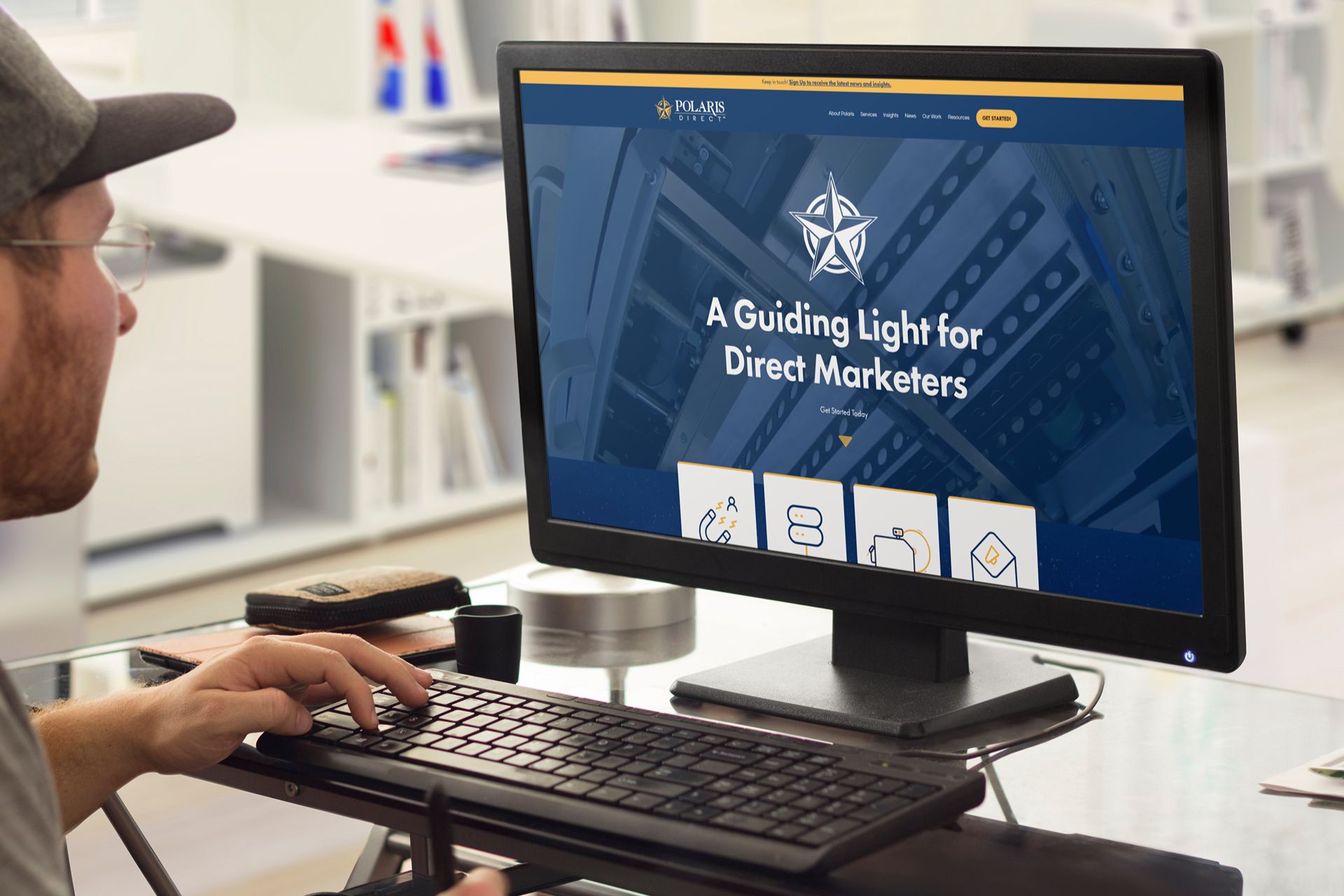
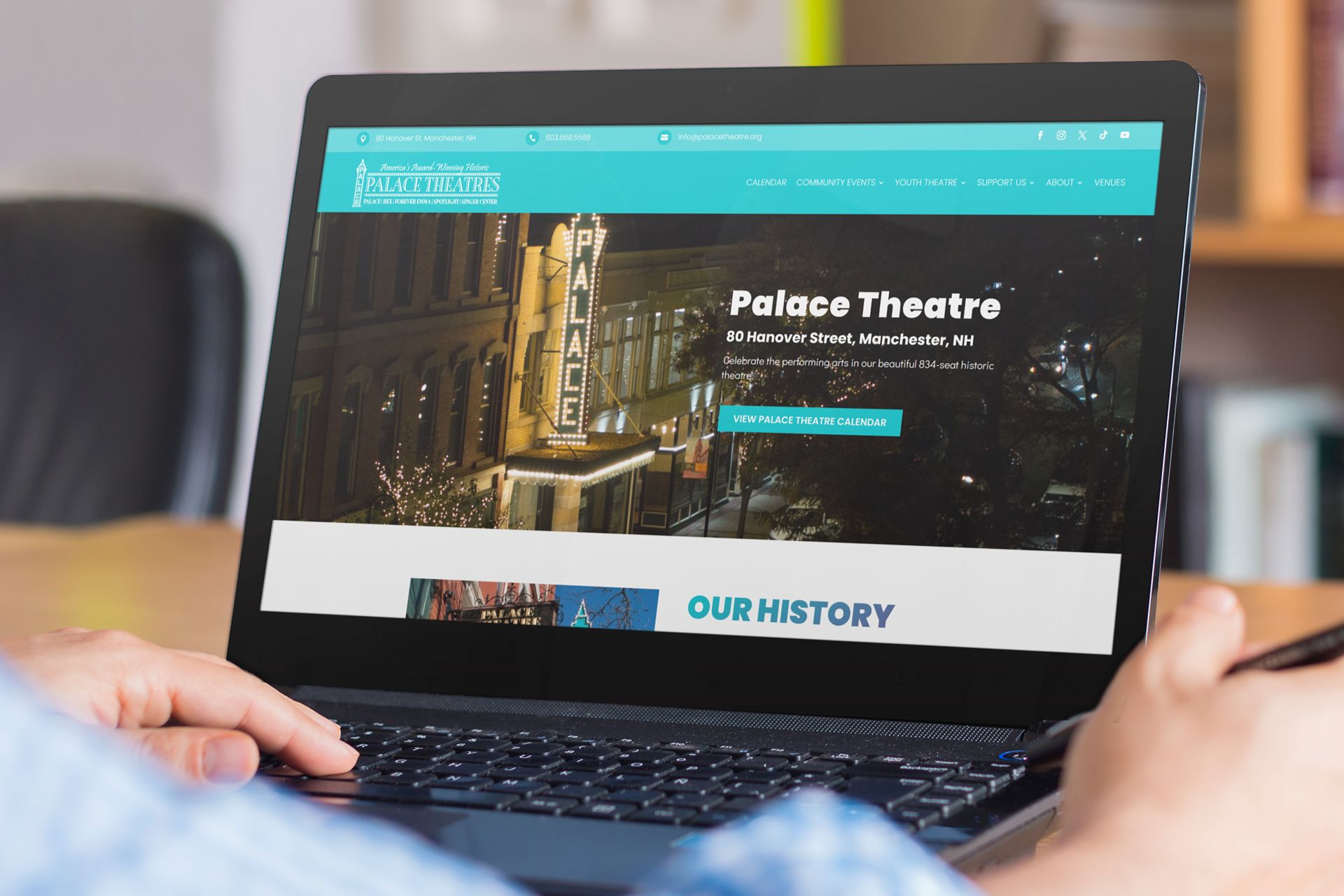
A few of our New Hampshire clients show what that actually looks like. Palace Theatre needed a site that could handle ticketing, event calendars, and youth program registration across five different venues. That’s infrastructure, not a five-page brochure. Big Brothers Big Sisters of New Hampshire and Vermont needed something built for a non-profit’s real workflow, donor and volunteer engagement, with a team that could grow the content themselves without calling a developer every time. Polaris Direct needed a site that could hold up to Fortune 500 clients sizing them up at a glance, case studies and service depth that earn trust from the first scroll.
And for businesses thinking bigger, we’ve built for that too. &pizza is one of our multi-location builds, and it’s a good reference point if you’re running a local restaurant, a small food service chain, or franchise locations across multiple markets. The same thinking behind a five-location NH build scales to fifty locations nationwide: consistent branding, location pages that actually work for local search, and a structure that doesn’t fall apart as you add markets.
None of this makes the starter tier a lesser option. It’s the right tool for a lot of businesses. It just means we scope the project to what your organization actually needs instead of squeezing a growing non-profit or a multi-location brand into a template built for five pages.
Everything That Moves the Price
A $1,500 starter site and a fifty-page franchise build with location pages for six NH markets are not the same project, and the price difference comes down to a handful of specific things, not vibes.
Page count and complexity
A basic small business site (home, services, contact, About/Contact combo) costs less than a site with location pages for multiple markets, gated content, or booking functionality built in. More pages generally means more time spent on structure and navigation, making sure everything still holds together as one site, not just more time typing words onto a page.
E-commerce, booking, and custom features
Adding a store, a membership portal, appointment scheduling, or integrations with tools you already use, a CRM, a booking system, an inventory platform, adds real development time. This is usually where a project moves from a website into something closer to a small application, and pricing follows that shift.
Content and keyword strategy
A site built around real keyword research and a content strategy costs more upfront than a site where you get handed a template and told to fill in the blanks yourself. It also tends to perform better in search for years afterward, so that upfront cost is doing double duty, part of the build and part of your marketing from day one.
Design and revision rounds
How many rounds of design feedback are built into a project, and how the agency handles requests mid-build, quietly shapes both the timeline and the price. A tight, structured revision process usually means a smoother, more predictable build. “Unlimited revisions” sounds generous until it turns into a project that never actually launches because the scope keeps drifting.
Photography and copywriting
Stock photos and placeholder copy are what you get in the cheapest packages, and it shows. Real photography and copy written specifically for your business, instead of something you’re expected to produce yourself under deadline, both add cost. They also do more for how a site actually performs and converts than most business owners expect going in.
Templated elements vs. a full custom build
Our own starter tier uses templated elements and building blocks to keep cost and timeline down, but that’s different from a DIY platform like Wix or Squarespace. Everything on top of that structure, colors, images, content, page layout, is still built around your business, not a reskinned theme you’re stuck inside of. A DIY site builder is cheaper upfront, but it tends to load slower, look like every other business on the same platform, and hit a ceiling fast the moment you want something custom. That ceiling is often where the real cost shows up later, as a second project to fix or rebuild what the cheap option couldn’t do in the first place.
Built for the State We Live and Work In Every Day
New Hampshire isn’t a market we picked off a map. It’s where we live. The lakes, the mountains, the small towns that still feel like small towns even as they grow, the way the whole state seems to exhale a little once the leaves turn. We’re not describing this place from the outside looking in, we’re describing home.
That familiarity shows up in our local New Hamsphire web design work. New Hampshire doesn’t run purely on local word of mouth either. A lot of the customers walking into an NH business aren’t locals who’ve known about you for years. They’re visitors, searching on their phone from a hotel room or asking whoever’s running their Airbnb where to eat, shop, or get something fixed. A site that only makes sense to someone who already knows your town doesn’t do you any favors with that crowd, and building for both takes actually knowing the difference, not guessing at it.
And because we’re actually based here our partnership doesn’t have to stay a video call. Lauren’s in the Greater Manchester area, I’m in the Lakes Region, both a short drive from most of the state. Most of our work happens the normal way, over a call or email, but when a New Hampshire client wants to sit down in person, we can do that too, and we mean that as more than a courtesy. Our roots are in New Hampshire. Getting work in person for our neighbors is one of the best parts of the job.
Frequently Asked Questions
Do you require a long-term contract?
No. The site is yours once it’s built. We typically build the first year of hosting and support into our proposals so that you can launch your site successfully. Hosting and support can be billed monthly or annualy (with 10% savings!). Contracts renew annually and we’ll never hold your website hosting. Want to transfer to a different hosting partner down the road? You can do that!
Can you take over a site built by another agency?
Yes, this comes up more than you’d think, especially from businesses leaving one of those free-site-plus-monthly-fee arrangements. We’ll assess what’s there and tell you honestly whether it’s worth building on or starting fresh.
How long does a custom build take, compared to a starter site?
A starter site is typically a matter of weeks. A custom build (multi-location, e-commerce, or a non-profit with donor systems) takes longer, and we’ll give you a real timeline once we know the scope, not a placeholder number.

Figuring Out What You Actually Need
Whether a starter site fits or your organization needs something bigger is exactly the kind of thing worth a real conversation instead of a guess. See our NH Web Design services and learn about our Local Business Programs. When you’re ready book a discovery call or meeting (we’ll buy the coffee) and we’ll review a free audit of your online presence.