

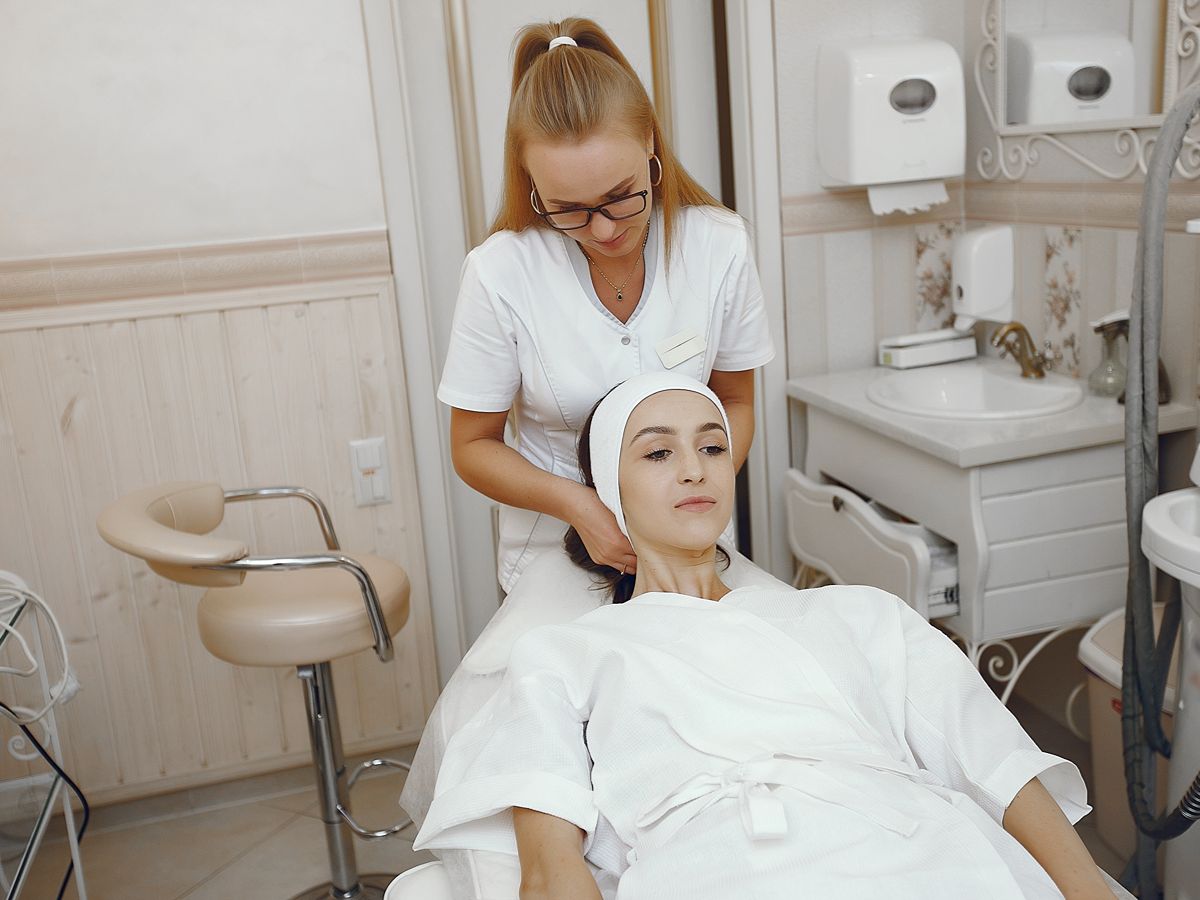
What Med Spas Need to Know About Digital Marketing
- Med spa clients are high-consideration buyers. They research treatments, read reviews about specific providers, look at before-and-after results, and spend days or weeks deciding before they reach out. Digital marketing that reaches them during that research phase is where the client relationship actually starts.
- Local SEO is your highest-return channel for new client acquisition. Most med spa searches begin in Google and convert in the map pack. GBP management, treatment-specific pages, and consistent reviews across RealSelf and Google are the foundation.
- Email is your most efficient retention and reactivation channel. A client who has had one great treatment and gone quiet is far easier to bring back with a well-timed email than to replace with a new client acquisition.
- Social media in aesthetics is unusually powerful because the results are visual. Before-and-after content, provider introductions, and treatment education all build the trust and familiarity that converts followers into booked consultations.
- For practices with multiple locations, a coordinated digital marketing strategy that keeps each location locally visible while maintaining consistent brand and clinical standards across all of them is where the efficiency is.
Med spa clients are not impulsive buyers. The person who eventually books a filler appointment or a series of laser treatments has typically spent weeks researching the procedure, comparing providers, reading reviews, and looking at before-and-after photos before they ever make contact. By the time they reach out, they have already formed a strong opinion about whether they trust you. Digital marketing for med spas is about being present and credible during all of that research, not just at the moment the appointment is booked.
Here is what that looks like across the channels that matter most.

Why Digital Marketing Works Differently for Med Spas
Med spa occupies an interesting space between luxury wellness and clinical healthcare, and that dual identity shapes the digital marketing requirements in specific ways. Clients are evaluating aesthetic sensibility and clinical credibility simultaneously. A digital presence that looks beautiful but does not surface provider credentials and clinical depth does not inspire the confidence the category requires. A presence that leads with clinical qualifications but reads as cold and corporate does not attract the client who is also looking for a provider whose aesthetic sensibility matches their own.
The treatment diversity of a full-service med spa also creates digital marketing complexity. Neurotoxins, dermal fillers, laser treatments, body contouring, skin resurfacing, IV therapy: each attracts a different client at a different stage of consideration, searching differently, and needing different content to convert. A digital marketing strategy that treats all of these as one audience will reach none of them as effectively as one that speaks to each treatment category distinctly.
Seasonality is real in aesthetics and worth planning around. Laser treatments and resurfacing peak in fall and winter when sun exposure is lower. Body contouring searches spike before spring and summer. Injectables are more consistent year-round but see bumps before weddings, reunions, and holiday events. Practices that have built visibility and are running relevant content before those windows capture the demand. Practices that react after the spike has passed do not.
The Digital Marketing Channels That Work for Med Spas
Local SEO: Where New Clients Find You
Most med spa clients start their search in Google, and most conversions happen from the map pack or the first page of local results. Being there requires a complete and active Google Business Profile with treatment-specific categories, consistent provider credential information, regular new photos, and a steady stream of reviews. Treatment-specific pages on your med spa website that match how clients search, “Botox in [city],” “lip filler near me,” “laser hair removal [neighborhood],” give each type of client content written for their specific treatment and concerns.
RealSelf is the platform most med spa practices underinvest in, and it functions as both a citation source for local SEO and a direct referral channel. Patients searching for specific aesthetic procedures often search within RealSelf specifically. A complete, active profile with Q&A responses from providers and patient reviews drives meaningful discovery traffic alongside Google. Our full guide to med spa SEO covers the technical fundamentals in depth.
Email: Retention and Reactivation
A client who has had a great experience and gone quiet is your most valuable re-acquisition target. They already trust you. They already know what the consultation process feels like. The barrier to rebooking is far lower than the barrier to acquiring a new client, and a well-timed email is often the only nudge needed.
A few sequences worth building for med spas:
A post-treatment follow-up sequence that checks in after the initial treatment, provides aftercare guidance, and introduces the next logical treatment or maintenance schedule. This converts one-time clients into repeat ones and shows the kind of attentive follow-through that generates reviews and referrals.
A reactivation sequence for clients who have not been in for more than four to six months. A personal-feeling check-in, a relevant seasonal treatment promotion, or a note about a new service or a new provider gives a lapsed client a reason to rebook without feeling like a generic marketing blast.
A VIP or membership sequence for high-frequency clients who might benefit from a treatment package or a loyalty program. Clients who are already coming in regularly are the most likely to convert to a structure that increases both their commitment and their predictable revenue contribution.
Social Media: Building Trust Through Visual Proof
Aesthetics is one of the categories where social media performs most strongly because the product is visual. Before-and-after content shared with explicit patient consent, provider introduction reels that show personality and clinical confidence, treatment education content that demystifies procedures for clients who are curious but hesitant: all of these build the trust and familiarity that converts followers into booked consultations.
Instagram is the primary platform for most med spas, with TikTok growing as a discovery channel particularly for younger clients considering their first aesthetic treatments. Consistency matters more than production quality. A practice that posts three times a week with genuine content, real results, real providers, and real patient experiences, builds more trust and more new client discovery than one that posts once a month with a polished campaign.
The regulatory dimension is worth noting. Med spa social content that makes specific medical claims, guarantees results, or uses before-and-after content without appropriate disclosures can create compliance issues depending on state regulations and platform policies. Keeping a basic compliance review process in place for social content, particularly for before-and-after posts and treatment-specific claims, is not an overreaction. It is standard operating procedure for a clinical-adjacent business.
Reviews: Volume, Recency, and Provider Specificity
Med spa reviews do more work than reviews in most local service categories because the client is making a decision about their appearance and, in some cases, a clinical procedure. A review that says “I have been getting Botox with [provider name] for two years and my results are always natural-looking and exactly what I asked for” is worth more than ten generic five-star ratings. Ask for reviews after every treatment, make it a two-tap process with a direct link to your Google profile and your RealSelf profile, and respond to every review personally. The local SEO value of consistent, detailed reviews is significant, and the conversion value for prospective clients reading those reviews before booking is at least as significant.
Paid Search and Social for High-Value Treatments
For treatments with high client lifetime value and significant organic competition, paid search and paid social can fill the gap while organic visibility builds. Laser treatments, body contouring, and cosmetic injectables are all categories where well-targeted paid campaigns can generate qualified leads at a cost that makes sense relative to the treatment revenue. This is a supplement to the organic strategy, not a substitute for it. Practices that run paid without a strong organic foundation tend to be overpaying for clients they could be earning organically with sustained SEO investment.
What If You Have Multiple Locations?
Med spa groups with more than one location need a digital marketing strategy that serves both the brand and the individual clinics. Each location needs its own Google Business Profile with its own provider team, treatment availability, and patient review activity. Each location needs its own page on the brand website with content specific to that clinic and the providers based there. The overall brand presence needs to maintain the clinical and aesthetic standards that build patient trust, while each location is genuinely visible in its own local market.
Coordinating all of that efficiently without letting any location fall behind is where a strategic marketing partner adds the most value. Our multi-location SEO playbook covers the architecture. We work with med spas and aesthetic practices on local SEO and digital marketing programs designed to scale across multiple locations without requiring each one to be managed from scratch.

How Trebletree Can Help
We handle local SEO and websites for med spas and aesthetic practices, with a full digital marketing program that covers GBP management, treatment-specific content, review strategy, and the email and social channels that keep existing clients returning. We start with a free audit: your Google presence, RealSelf profile, reputation snapshot, and website, with your top three priorities clearly identified.
See what’s included in our local business program
Frequently Asked Questions
What digital marketing channels matter most for a med spa?
Local SEO and reviews are the foundation. They determine whether prospective clients find you and whether they trust what they find. After those, email for patient retention and reactivation, social media for trust-building through visual proof, and RealSelf for treatment-specific discovery are the channels that create a consistently full consultation calendar. Paid search and social make sense as supplements for high-value treatments once the organic foundation is in place.
How important is RealSelf for med spa digital marketing?
More important than most practices realize. RealSelf functions as both a local SEO citation source and a direct referral channel for aesthetic procedure searches. Patients researching specific treatments often search within RealSelf specifically before they search Google. A complete, active profile with provider Q&A responses and patient reviews drives meaningful discovery traffic. It is one of the highest-value directory investments a med spa can make and one of the most consistently underused.
What should a med spa email marketing program include?
Three sequences cover the most valuable use cases. A post-treatment follow-up sequence that provides aftercare guidance and introduces the next logical treatment or maintenance schedule. A reactivation sequence for clients who have not been in for four to six months. A VIP or package sequence for high-frequency clients who might benefit from a structured membership or treatment bundle. Beyond those, a seasonal newsletter before peak treatment windows, fall for laser and resurfacing, spring for body contouring, keeps the practice visible and relevant during the periods when client intent is highest.
How do you handle before-and-after content on social media for a med spa?
Always with explicit written patient consent, consistent lighting and photography standards so results are presented fairly, and appropriate platform disclosures where required. Keeping a basic compliance review in place for before-and-after posts and treatment-specific claims is standard for a clinical-adjacent business, not an overreaction. Many states have specific regulations around aesthetic treatment advertising. Understanding what your state requires and building that into your social content process protects the practice and the patients whose results you are sharing.
What does a good med spa Google Business Profile include?
Treatment-specific categories as specific as Google allows, not just “medical spa” but the specific treatment types the practice offers. Provider credentials and years of experience in the business description. Regular new photos of the space, the team, and treatment results where appropriate consent has been obtained. A consistent stream of new patient reviews. Links to booking or consultation request tools where the GBP platform supports them. Seasonal posts for treatment promotions and new service announcements. A stale GBP with no recent activity ranks significantly lower than an active one in a competitive local market.